Need for thermal imaging in offices

What is the idea behind thermal imaging?
One way to understand thermal imaging is to think of it as a lens that sees heat rather than light, and can penetrate material. With the right equipment, thermal imaging can see through windows and doors, providing valuable insight into how much energy is being consumed by a building’s occupants. It also allows you to create an instant map of where heat leaks are occurring in your home or office.
Why is there a need for it?
Thermal imaging has become more important with the advent of global warming and climate change. Buildings produce enormous amounts of greenhouse gases during the construction process and its eventual occupation; additionally, poorly insulated homes have been shown to account for about 17% of all Australia energy usage.
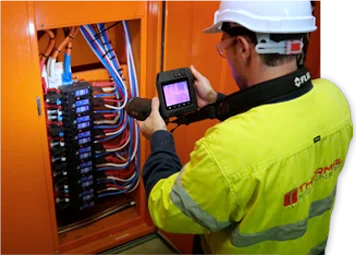
What are the benefits?
Thermal imaging technologies can help owners lower their energy bills. Working in tandem with building control systems, such as occupancy sensors and temperature control systems, thermal imagery can monitor the amount of electricity being used by individual rooms or offices. With the ability to identify where heat loss is occurring and where insulation is lacking, thermal imaging helps determine whether building upgrades should be carried out. It can also be used to reduce cooling costs during periods of peak demand. Insulation can also be improved by improving heat transfer during periods of low demand; in this way, more energy is being saved without needing to add extra insulation.
How do I use a thermal imaging camera?
If you live in a building that has been recently constructed, a thermal imaging camera should be able to spot any areas where heat may be escaping. In older buildings, that have not been insulated properly, thermal imaging can still be useful – for example, a camera may be able to spot cracks in the building structure where heat loss is occurring. To identify heat loss through walls and windows, turn on the camera and aim it at a nearby wall or window; if any areas of the wall or window appear red, that means they are warmer than their surroundings.Infrared non-contact cameras can be purchased online or through hardware stores; they typically use infrared light to detect temperature loss through walls, and also have the ability to detect water damage.

Conclusion
Thermal imaging Toowoomba is invaluable to heating engineers, home and business owners, and to anyone who wants to cut down on their energy bills. With thermal imaging, you can find out whether hot spots are escaping via your home and locate the source of heat loss in order to fix it.


Comments
Post a Comment